New clinical study data now accessible via the Critical Path Institute
Data from the PAN-TB Collaboration’s first clinical trial are now available through the Critical Path Institute Data Analytics Platform (CP-DAP). The PAN-TB Collaboration is pleased to offer access to this data in the continued spirit of open information sharing to support the broader TB Drug Development ecosystem.
The trial was discontinued in 2025 after data showed that neither regimen was potent enough to achieve the study’s goal of shortening treatment to three months. While the regimens did not meet that goal, the findings are informing the development of future PAN-TB regimens, and making the data available will allow researchers across the field to continue learning from the study.
This study evaluated five antimicrobial agents across two combination regimens for treating drug-susceptible tuberculosis (TB) with shorter treatment durations (reducing treatment time from the current six months duration to four months or less).
The two investigational drug regimen combinations evaluated were:
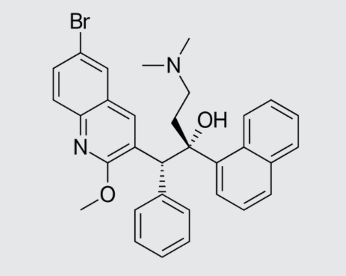
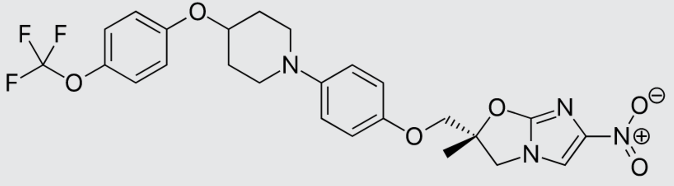
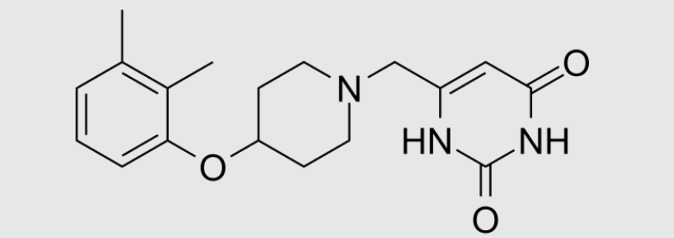
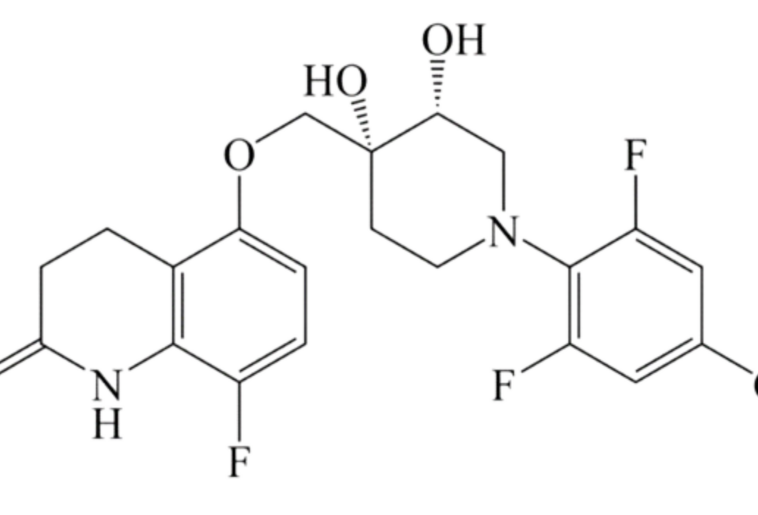
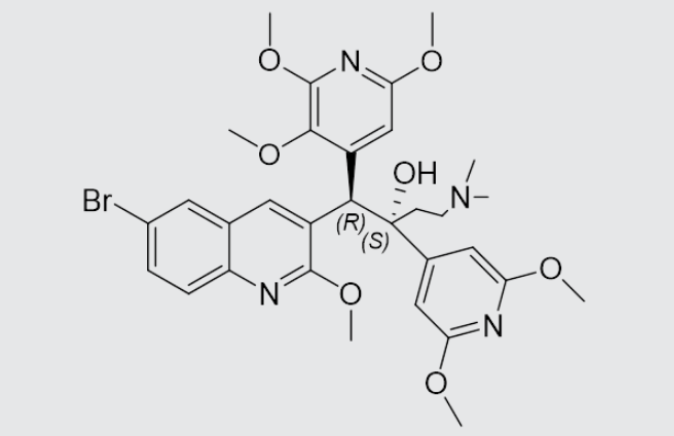
- DBQS – delamanid, bedaquiline, quabodepistat and sutezolid
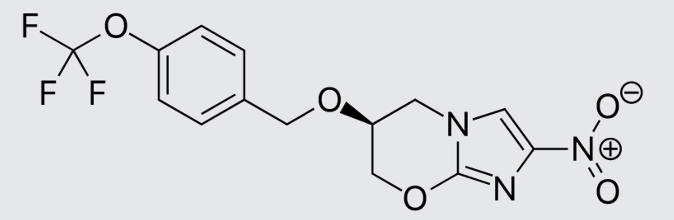
- PBQS – pretomanid, bedaquiline, quabodepistat and sutezolid
All available data are mapped to the Clinical Data Interchange Standards Consortium (CDISC) Standard for Exchange of Nonclinical Data (SEND). Please note that C-Path has migrated to an enhanced platform, which will provide expanded functionality and capabilities for researchers. All available PAN-TB Collaboration clinical and nonclinical data can be requested through the new platform.
To request access to these data, please visit and create a user login via the CP-DAP landing page; helpful, step-by-step tutorials may be accessed from the top right-hand corner. For any additional questions, please reach out to [email protected]. The clinical data may be found in CP-DAP’s Tuberculosis collection as “Project to Accelerate New Treatments for Tuberculosis: Clinical [SDTM]